Learning path

Inclusive Design Through Disability-Led Perspectives

For designers and product teams new to inclusive design who want to learn from disabled designers' lived experience. You will be able to explain how disability-led design changes everyday decisions.

What you’ll learn

  • Explain how the medical model shaped design and how disability-led design reframes it
  • Recognise ableism and disability barriers in everyday design decisions
  • Treat disabled people as default users and creators, not edge cases
  • Involve disabled people in research and design as partners from the start
  • Describe disabled designers' contributions to technologies that benefit everyone

Lessons

  1. IxDA Dublin 5 min Beginner

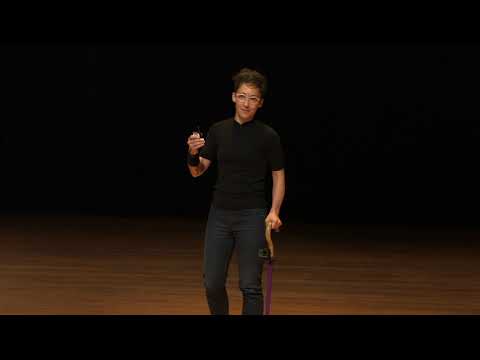
    Start here: a five-minute first-person account of how lived experience exposes gaps that designers often miss.

    In this short talk, Rebecca Fagan shares how being identified as autistic changed her life and her design practice. She argues that lived experience and personal observation can help designers create more inclusive work.

  2. Visually Impaired Designer 10 min Beginner

    Adds a second lived-experience view, from a visually impaired designer's research into inclusive and universal design.

    A visually impaired UX and graphic designer tells the story of living with aniridia and completing a Master of Design. She describes her research into inclusive design, universal design and accessibility, and how designers can improve products and services for a wider range of people.

  3. TEDx Talks 18 min Beginner

    Introduces environmental barriers and the curb cut effect, the shared vocabulary the later talks assume.

    A TEDx talk by product leader and accessibility advocate Nandita Gupta on how environmental barriers limit people with disabilities and how inclusive design, including the curb cut effect, can make everyday changes benefit everyone. It argues that accessibility should be foundational to design rather than added later.

  4. This is HCD (Human Centered Service Design & UX) 42 min Beginner

    Moves from personal stories to how ableism shapes design decisions and how organisations can be held to account.

    A conversation with Jamie Shields, co-founder of Disabled by Society, on unlearning ableism, designing for accessibility from the start, and how organisations can be held accountable for inclusion. It draws on lived experience and practical advice for people working in design and business.

  5. 99U 16 min Intermediate

    Short talk arguing disability is shaped by the surrounding world, not bodies alone, which the next talks develop.

    Liz Jackson's 99U talk argues that disability is shaped by the world around people rather than by their bodies alone. It challenges designers to move past inspiration-driven portrayals of disabled people and to include them in the industrial design process.

  6. AIGAdesign 32 min Intermediate

    Extends the argument into practice: disability-led ways of knowing and how studios can partner with disabled creatives.

    Liz Jackson, founder of The Disabled List, discusses how things disabled people fight for become things done for everyone, and how disability-led ways of knowing can inform design education and practice. It suits designers who want to understand disability-led perspectives in their work.

  7. NERD Summit 50 min Intermediate

    Traces how the medical model shaped design history and where disabled designers have driven innovation.

    This talk traces how the medical model of disability shaped the history of design and how disabled designers were cast as users rather than creators of innovation. It covers the Disabled Civil Rights Movement and practical steps firms can take toward inclusive design.

  8. AWE XR 16 min Intermediate

    A real project designed with a neurodivergent user rather than for them, showing disability-led practice in action.

    A session by Kat King, founder of CatheXis Films and a disabled Army veteran, on designing PerceptAR, an AR tool that helps users during hallucinations and dissociation in treatment-resistant schizophrenia. It covers trust in XR and AI for historically harmed communities, trauma-informed design for psychosis support, and designing with neurodivergent users.

  9. Cooper Hewitt 86 min Intermediate

    A longer panel on treating disabled people as default users and questioning the 'all abilities' framing.

    A panel discussion from Cooper Hewitt's 2023 National Design Week on treating disabled people as default users rather than edge cases in design. Panelists, including an architect, a designer of wearables and a disability-inclusive researcher, discuss designing for and with disability.

  10. AXSChat 30 min Intermediate

    Optional: how disabled people are depicted in media and imagery, and how to involve them in making it.

    A conversation with Business Disability Forum representatives about their "Changing the Image of Disability" campaign and image bank, which features disabled people, including those with less visible disabilities, and involves models in the creative process. It covers consent, accurate image descriptions, stereotypes in AI-generated images, and the challenges of recruiting disabled models.

When you've finished

Next path: Putting Inclusive Design into Practice (Intermediate)

All paths in Inclusive Design

Search and sort within Inclusive Design Through Disability-Led Perspectives

All paths
  • Learning pathBeginner → IntermediateInclusive Design

    Inclusive Design: From Basics to Practice

    For designers and product people new to inclusive design who want to understand why designing for an average user excludes people, and how to start applying it.

    9 lessons · 1 hr 34 min, plus 2 optional

  • Learning pathBeginner → IntermediateDesign Culture

    Design Culture: Trust, Kindness and Inclusion

    For beginners curious about design culture, from why people trust imperfect work to how kindness and inclusion shape a team. By the end you can discuss these ideas and apply them to your own practice.

    8 lessons · 2 hr 39 min, plus 2 optional

  • Learning pathIntermediate → AdvancedTypography

    Designing and Setting Non-Latin Scripts

    For designers ready to look beyond Latin type to how non-Latin scripts are designed, set and built into digital fonts.

    5 lessons · 2 hr 11 min

  • Learning pathBeginner → AdvancedInclusive Design

    Inclusive Research and Co-Design Skills

    For researchers and designers who want to include disabled and other under-served people in their studies. You will learn to recruit participants, run co-design sessions and apply equitable research methods.

    8 lessons · 4 hr 48 min, plus 1 optional